Every summer brings familiar headlines about record temperatures, soaring electricity demand, and pleas from utilities asking customers to conserve energy during the hottest hours of the day. Most of these stories disappear as soon as temperatures fall or the immediate threat passes. Yet the underlying problem remains, and it is becoming more significant with each passing year.
America’s electric grid is facing pressures unlike anything it has experienced before. Extreme weather is increasing the demand for electricity, while new technologies, population growth, and an increasingly digital economy are placing additional strain on infrastructure that, in many places, was built decades ago.
The conversation about the nation’s power grid often centers on blackouts or rolling outages after they occur. The more important discussion is whether the United States is making the investments necessary to prevent those emergencies in the first place.
During periods of extreme summer heat in late June and early July 2026, several regional transmission organizations issued conservation alerts as electricity demand climbed. While grid operators successfully maintained reliability, these alerts underscored how closely supply and demand can align during prolonged heat events.
A Grid Built for a Different Era
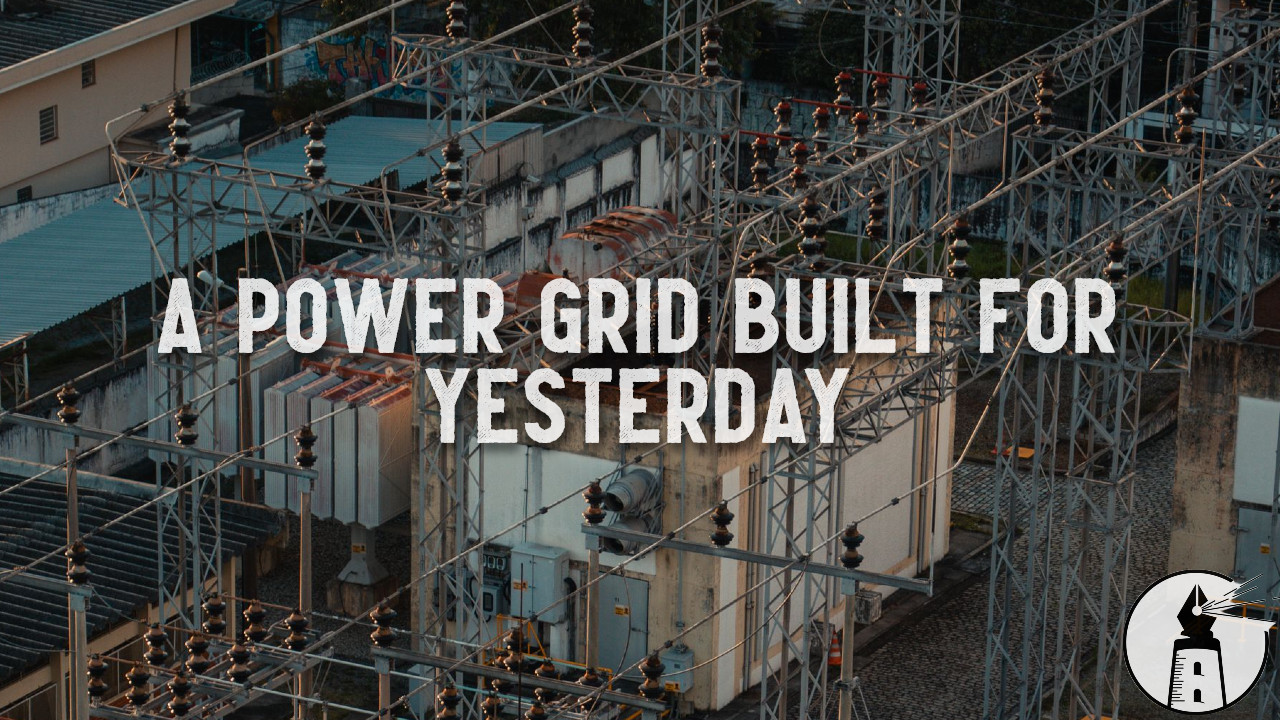
Much of America’s transmission and distribution infrastructure was built during the second half of the twentieth century. Although utilities continually repair and upgrade equipment, many components remain in service well beyond their original design life.
The American Society of Civil Engineers highlighted this challenge in its 2025 Report Card for America’s Infrastructure, noting that the nation’s energy infrastructure continues to require significant investment to improve resilience, replace aging equipment, and meet growing electricity demand.
The challenge extends beyond aging equipment. The grid itself was designed for an economy that looked very different from today’s. Decades ago, electricity demand followed relatively predictable daily patterns driven by homes, factories, and businesses.
Today’s electric system must support cloud computing, artificial intelligence, electric vehicle charging, advanced manufacturing, and millions of connected devices operating around the clock. Those changes have fundamentally altered how electricity is generated, transmitted, and consumed.
Heat Is Becoming a Greater Challenge
Summer has always been a demanding season for electric utilities, but prolonged periods of extreme heat have made maintaining reliability increasingly difficult.
When temperatures remain elevated for several consecutive days, air conditioners operate almost continuously, driving electricity demand to levels that can test the limits of available generation and transmission capacity.
The North American Electric Reliability Corporation’s 2026 Summer Reliability Assessment warned that several regions could face elevated reliability risks if extreme heat, unexpected generator outages, or transmission constraints occur simultaneously. While the report concluded that most of North America should have adequate generating resources under normal summer conditions, it cautioned that prolonged heat waves continue to pose one of the greatest operational challenges for grid operators.
Extreme heat also affects the grid itself. Transmission lines become less efficient as temperatures rise, transformers experience additional stress, and utilities must balance higher customer demand with equipment operating under more difficult conditions.
These challenges do not necessarily mean widespread blackouts are inevitable. They do mean that planning for reliability has become significantly more complicated.
AI Is Adding a New Layer of Demand
One of the fastest-growing contributors to electricity demand is the rapid expansion of artificial intelligence and cloud computing.
Modern data centers require enormous amounts of electricity to power servers, networking equipment, and sophisticated cooling systems that operate twenty-four hours a day. As AI technologies become integrated into more industries, demand for these facilities is expected to continue increasing.
Recognizing these trends, the U.S. Department of Energy’s National Transmission Needs Study concluded that substantial expansion of the nation’s transmission system will be necessary to support future economic growth, integrate new sources of electricity generation, and meet rising demand from emerging technologies.
Electric vehicles also contribute to this changing landscape. Although widespread EV adoption offers many benefits, it will require utilities to expand capacity and modernize local distribution systems to accommodate additional demand.
These technological changes are not problems to be avoided. They represent important innovations that can strengthen the economy. The challenge is ensuring the electric grid evolves quickly enough to support them.
Reliability Depends on More Than Power Plants
Many people think about electricity in terms of power plants. In reality, reliability depends on an interconnected network of generation facilities, transmission lines, substations, and local distribution systems.
A disruption anywhere along that network can affect thousands or even millions of customers.
Recognizing the need for a more coordinated approach, the Federal Energy Regulatory Commission issued Order No. 1920, requiring long-term regional transmission planning designed to improve reliability, lower costs, and better prepare the grid for future demand and changing generation resources.
Improved transmission infrastructure also allows electricity to move more efficiently between regions, helping utilities respond when one area experiences unusually high demand or unexpected generation shortages.
Resilience Is Becoming Just as Important as Reliability
Historically, utilities focused primarily on reliability by minimizing outages and restoring service as quickly as possible.
Today, resilience has become equally important.
Resilience refers to the ability of the electric system to withstand disruptions and recover quickly from hurricanes, wildfires, winter storms, cyberattacks, and prolonged heat waves.
The Department of Energy’s Grid Modernization Initiative emphasizes investments in advanced sensors, grid automation, cybersecurity, energy storage, and transmission upgrades that can make the electric system more adaptable to changing conditions.
FEMA’s Lifelines initiative likewise recognizes reliable electric power as one of the nation’s essential services, emphasizing that communities are better prepared for disasters when critical infrastructure remains operational or can be restored quickly.
Communities that invest in resilience are often better positioned to recover after disasters. Those that postpone modernization may find themselves facing increasingly frequent service interruptions as infrastructure ages and electricity demand continues to grow.
Planning for the Next Generation
Modernizing America’s electric grid is neither inexpensive nor simple. Major transmission projects often require years of planning, regulatory approval, environmental review, and construction before they become operational.
That reality makes long-term planning especially important.
The United States is unlikely to face a single moment when the grid suddenly becomes obsolete. Instead, the country faces the ongoing challenge of replacing aging infrastructure while preparing for future growth in electricity demand.
Success will require cooperation among utilities, regulators, private industry, and policymakers. It will also require recognizing that investments in infrastructure often prevent crises that never make headlines.
Looking Beyond the Next Heat Wave
Every summer reminds Americans how dependent modern life has become on reliable electricity. Homes, hospitals, businesses, emergency services, communications networks, and transportation systems all rely on a stable electric grid.
The conservation alerts issued during periods of extreme heat are not signs that the system is failing. They are reminders that the demands placed on the grid continue to grow.
The future of America’s electric system will not be determined by one heat wave or one summer. It will be shaped by the investments made today in transmission, resilience, modernization, and long-term planning.
A reliable power grid has long been one of the foundations of American society. Ensuring it remains reliable for future generations may prove to be one of the country’s most important infrastructure challenges.
—Greg Collier