Wildfires have become one of the most recognizable symbols of a changing risk landscape in the United States. Each year, images of neighborhoods surrounded by flames, skies covered in smoke, and residents forced to evacuate dominate headlines. However, one of the biggest parts of the wildfire crisis often receives less attention: the preparation, infrastructure, and policies that determine whether a fire remains a manageable emergency or becomes a devastating disaster.
The modern wildfire problem is no longer only about fighting flames after they begin. It is about how communities prepare before the first spark, how infrastructure withstands extreme conditions, and whether governments and residents are adapting quickly enough to a changing environment.
The National Interagency Fire Center (NIFC), which coordinates wildfire response among federal agencies, has repeatedly warned that changing conditions are creating more difficult firefighting challenges across the United States. According to NIFC’s National Fire News and predictive services reports, wildfire activity continues to be influenced by drought, dry vegetation, high temperatures, and weather patterns that can allow fires to spread quickly. The agency’s seasonal outlooks are designed to help officials anticipate where fire potential may be elevated and position resources before emergencies escalate.
The numbers behind wildfire activity tell only part of the story. The larger issue is that wildfire has become connected to nearly every aspect of modern life, including housing, insurance, energy systems, emergency response, and local economies.
The wildfire problem does not end when the flames disappear
For many communities, the most visible moment of a wildfire is when residents receive evacuation warnings and firefighters arrive to battle the flames. But the impact of a wildfire often continues long after the smoke clears.
A major wildfire can destroy homes and businesses, but it can also damage roads, communication networks, electrical systems, and water infrastructure. Communities may spend years rebuilding after a fire, and some never fully recover economically.
This is part of what makes today’s wildfire challenge different. Fire officials are not simply dealing with isolated events that can be contained and forgotten. Many communities are facing repeated exposure to wildfire risk.
The United States Forest Service has recognized that wildfire conditions have become increasingly complex due to a combination of factors, including accumulated fuels in forests, changing climate conditions, and development in areas known as the wildland-urban interface, where homes and natural areas meet.
The challenge is that many communities were built during periods when wildfire risk looked very different. Neighborhoods that once seemed safe may now face conditions that make evacuation and firefighting far more complicated.
Infrastructure has become part of the wildfire conversation
One of the biggest changes in wildfire discussions is the growing focus on infrastructure.
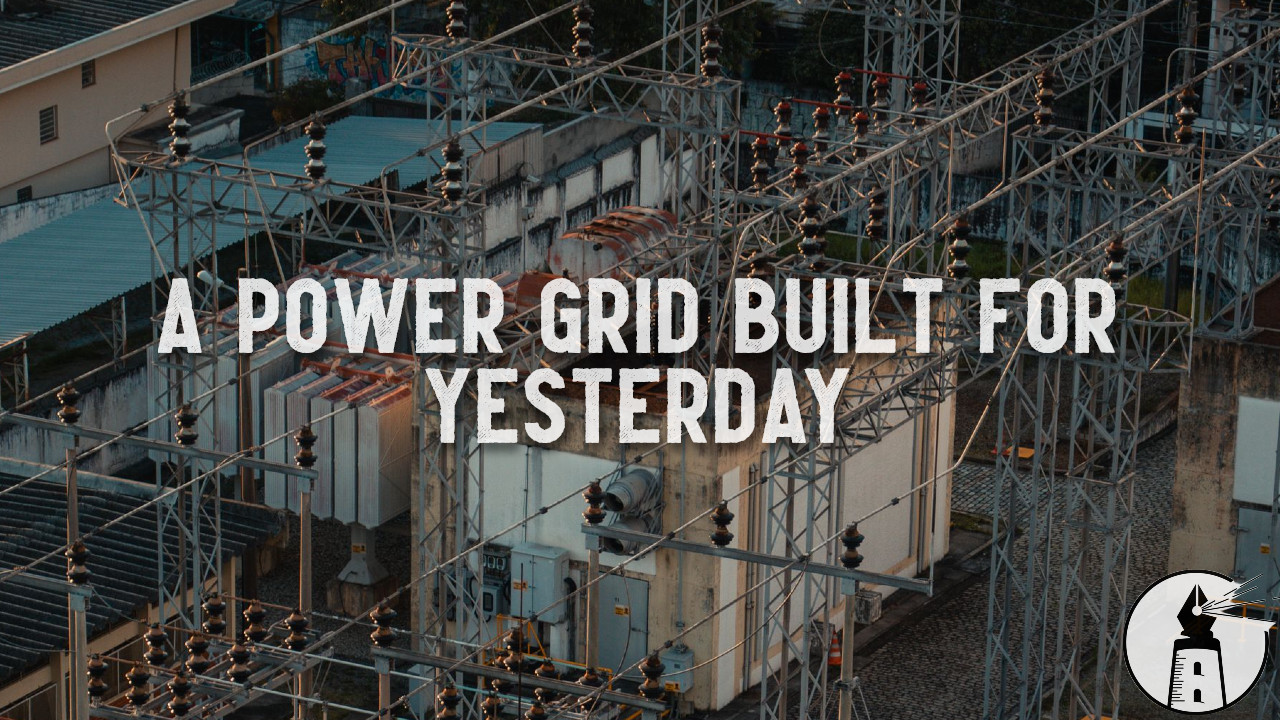
Electrical systems, in particular, have become a major part of wildfire prevention efforts. Utility equipment can become vulnerable during extreme weather conditions, especially when high winds, dry vegetation, and damaged infrastructure combine.
At the same time, wildfires can threaten the electrical systems communities depend on. Fires can damage transmission lines, substations, and other critical infrastructure, creating additional challenges during emergencies.
The Federal Emergency Management Agency has emphasized that reducing wildfire risk requires a community-wide approach that includes stronger building practices, planning, mitigation efforts, and improved resilience.
Some communities have invested in vegetation management, improved monitoring systems, and infrastructure upgrades designed to reduce ignition risks. These steps can help, but they also demonstrate the difficult choices communities face. Preventative measures can sometimes create their own problems, such as power shutoffs during dangerous weather conditions that may leave residents without electricity during extreme heat.
The wildfire challenge is no longer just about firefighters. It is about whether entire systems are prepared.
The insurance crisis is becoming a wildfire story
Another major consequence of increasing wildfire risk is the strain placed on homeowners and insurance markets.
In areas that have experienced repeated wildfires, some insurers have raised premiums, reduced coverage options, or reconsidered whether they want to continue operating. This has turned wildfire risk into a financial issue for many residents long before a fire ever reaches their neighborhood.
Insurance works by spreading risk across a large population. But when disasters become more frequent and more expensive, that model becomes harder to maintain.
The U.S. Treasury Department has examined the growing relationship between climate-related disasters and insurance availability, noting that homeowners in high-risk areas are facing increased challenges related to affordability and access to coverage.
This creates a difficult question for communities across the country: How do people continue living in areas vulnerable to wildfire when the cost of protection keeps rising?
There is no simple answer. Many communities have existed for generations in these areas. Moving entire populations is not realistic. Ignoring the risks is also not realistic.
The solution will likely require a combination of better planning, stronger construction standards, improved land management, and smarter investment in prevention.
Prevention may matter more than response
The public image of wildfire response often focuses on firefighters battling flames, aircraft dropping water, and crews building containment lines. Those efforts remain critical, but experts increasingly emphasize that prevention can determine how severe a wildfire becomes.
Reducing wildfire damage can involve creating defensible space around homes, improving building standards, managing vegetation, and developing evacuation plans before emergencies occur.
The goal is not to eliminate every wildfire. Fire is a natural part of many ecosystems, and some fires cannot be prevented. The goal is preventing fires from becoming catastrophic events that overwhelm communities.
The National Fire Protection Association has highlighted the importance of community preparedness, home hardening, and wildfire mitigation efforts as key components of reducing losses.
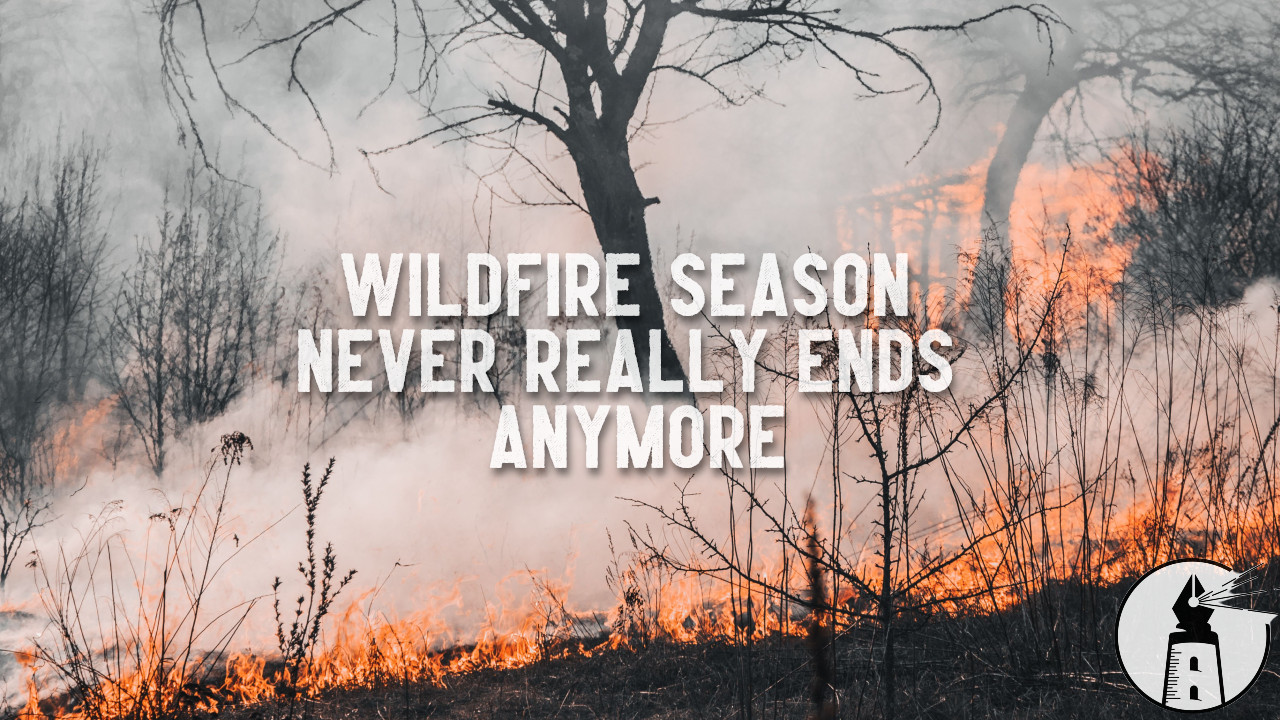
This represents a major shift in thinking. Wildfires cannot be treated as a seasonal problem that disappears once temperatures cool. In many parts of the country, it has become a year-round planning challenge.
The future of wildfire preparation will define communities
Wildfires are often discussed as disasters that happen somewhere else. A fire burns, emergency crews respond, and eventually public attention moves on. But the larger story is about whether communities are prepared for a future where extreme events are becoming more common and more difficult to manage.
The communities that are most successful will likely be the ones that view wildfire preparation as an ongoing investment rather than an emergency response.
That means improving infrastructure, strengthening emergency planning, supporting firefighters, and recognizing that rebuilding after a disaster is only part of the solution. The bigger challenge is reducing the damage before the next fire starts.
Wildfire season is no longer simply a few months on the calendar. It has become a test of how communities adapt to a changing risk environment.
The flames may capture attention, but the real story is what happens before they arrive.
—Greg Collier