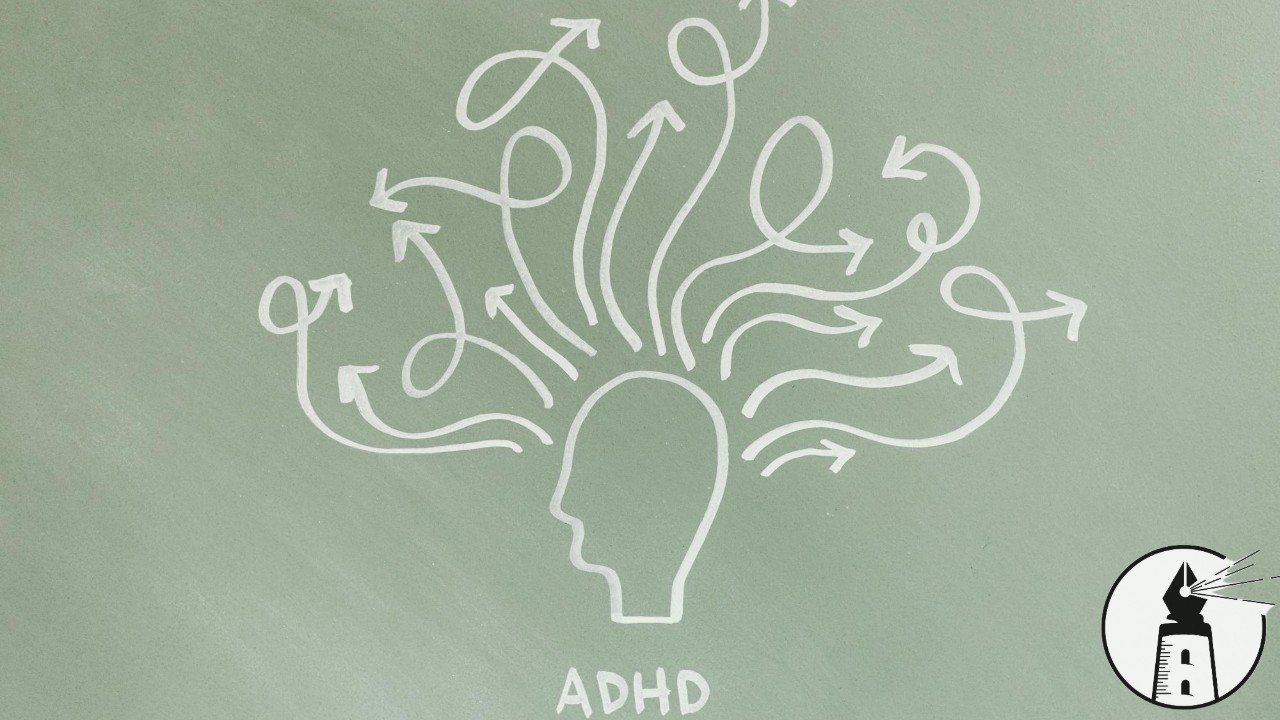
Attention-deficit/hyperactivity disorder, commonly known as ADHD, is one of the most widely discussed and frequently misunderstood neurodevelopmental conditions. Public awareness has increased significantly in recent years, particularly among adults who are now recognizing symptoms that may have gone unnoticed in childhood. Despite this growing visibility, misconceptions about ADHD remain persistent.
Separating myth from fact is essential for understanding how ADHD actually affects individuals across the lifespan. This includes recognizing less visible features such as executive dysfunction and hyperfixation, as well as acknowledging how common ADHD is among adults.
ADHD Is Not Just a Childhood Disorder
One of the most enduring myths about ADHD is that it is something children simply “grow out of.” While symptoms may change over time, ADHD often persists into adulthood.
Research from the Centers for Disease Control and Prevention estimates that about 6 percent of U.S. adults, or roughly 15.5 million people, currently have an ADHD diagnosis. Earlier research placed the rate at 4.4 percent, suggesting that adult ADHD has long been present but underrecognized. In fact, more than half of adults with ADHD are diagnosed after the age of 18.
This shift reflects increased awareness rather than a sudden rise in the condition itself. Many adults are now identifying patterns in their behavior that were previously dismissed or misunderstood. ADHD is not limited to childhood. It is a lifelong condition that can manifest differently at different stages of life.
ADHD Is More Than Just “Being Distracted”
Another common misconception is that ADHD is simply about having a short attention span. In reality, ADHD affects a broader set of cognitive processes, particularly those related to self-regulation.
At the core of ADHD is difficulty with executive functioning, which includes skills such as planning, prioritizing, organizing, and initiating tasks. This is often referred to as executive dysfunction. Individuals with ADHD may struggle to start tasks, follow through on plans, or manage time effectively, even when they understand what needs to be done.
Executive dysfunction is not a matter of laziness or lack of effort. It is linked to how the brain regulates attention and behavior. Studies have shown that people with ADHD often experience impairments in organization, discipline, and self-regulation due to differences in brain function.
This distinction is important because it reframes ADHD from a behavioral issue to a neurological one. The difficulty lies not in knowing what to do, but in consistently doing it.
Hyperactivity Is Not Always Visible
The term ADHD can be misleading because it emphasizes hyperactivity, which is often associated with physical restlessness. While this can be a feature, especially in children, it is not universal.
In adults, hyperactivity often becomes internal rather than physical. It may appear as racing thoughts, difficulty relaxing, or a constant sense of mental restlessness. Many adults with ADHD fall into the predominantly inattentive presentation, where symptoms are less outwardly visible but still impactful.
This contributes to underdiagnosis, particularly among individuals who do not fit the stereotypical image of hyperactivity. ADHD can be present even when outward behavior appears calm or controlled.
Hyperfixation Is a Real and Often Overlooked Feature
A lesser-known aspect of ADHD is the tendency toward hyperfixation, sometimes referred to as hyperfocus. This may seem contradictory in a condition associated with inattention, but it reflects the variability of attention regulation.
Hyperfixation occurs when an individual becomes deeply absorbed in a task or interest, often to the exclusion of everything else. This can lead to losing track of time, neglecting responsibilities, or struggling to shift attention when needed.
Rather than a sign of increased control, hyperfixation reflects the same underlying difficulty in regulating attention. The challenge is not an inability to focus, but an inability to control where that focus is directed. This pattern can be both beneficial and disruptive, depending on the context.
ADHD Is Highly Prevalent and Often Undiagnosed
ADHD is one of the most common neurodevelopmental conditions, yet it remains underdiagnosed, especially in adults. In addition to the millions of diagnosed cases, research suggests that a significant number of adults may have ADHD without realizing it.
Some estimates indicate that a notable portion of adults with ADHD remain undiagnosed, particularly among populations whose symptoms do not match traditional expectations. This includes many women and individuals whose symptoms are primarily inattentive rather than hyperactive.
The widespread nature of ADHD underscores the importance of accurate information. Misconceptions can delay diagnosis and prevent individuals from accessing appropriate support.
ADHD Often Coexists With Other Conditions
ADHD rarely occurs in isolation. It is commonly associated with other mental health conditions, including anxiety, depression, and learning disorders. These co-occurring conditions can complicate both diagnosis and treatment.
The National Institute of Mental Health notes that ADHD frequently appears alongside other disorders, which can make symptoms harder to identify and manage. For example, difficulties with attention may be attributed to anxiety, while executive dysfunction may be mistaken for depression.
Understanding these overlaps is important for developing effective treatment strategies. Addressing ADHD alone may not fully resolve challenges if other conditions are also present.
Treatment Exists, but Access and Consistency Vary
There is another persistent myth that ADHD cannot be effectively managed. In reality, a combination of medication, behavioral strategies, and support systems can significantly improve outcomes.
However, access to treatment is inconsistent. Data shows that about one-third of adults with ADHD are not receiving any treatment at all. Even among those who are treated, challenges such as medication availability and healthcare access can create disruptions.
This highlights a broader issue within the healthcare system. Diagnosis is only one step. Ongoing support and consistent access to care are equally important.
ADHD Is Not a Lack of Effort or Discipline
Perhaps the most damaging myth about ADHD is the belief that it reflects a lack of willpower. This misconception can lead to stigma, self-doubt, and missed opportunities for support.
ADHD affects how the brain regulates attention, motivation, and behavior. Tasks that seem straightforward to others may require significantly more effort for someone with ADHD. This is particularly evident in executive dysfunction, where initiating or completing tasks can feel overwhelming despite clear intentions.
Recognizing ADHD as a neurological condition shifts the conversation away from blame and toward understanding. It also opens the door to strategies and treatments that can make a meaningful difference.
A Better Understanding Leads to Better Outcomes
As awareness of ADHD continues to grow, so does the opportunity to correct longstanding misconceptions. Understanding the condition requires moving beyond stereotypes and acknowledging its complexity.
ADHD is not limited to childhood, nor is it defined solely by distraction or hyperactivity. It involves a range of cognitive processes, including executive function and attention regulation. Features such as hyperfixation highlight that the issue is not a lack of focus but difficulty controlling it.
With millions of adults affected and many still undiagnosed, accurate information is more important than ever. A clearer understanding of ADHD can lead to earlier recognition, more effective treatment, and reduced stigma.
In the end, separating myth from fact is not just about correcting misunderstandings. It is about ensuring that those affected by ADHD have the knowledge and support they need to navigate a condition that is far more common and complex than many realize.
—Greg Collier