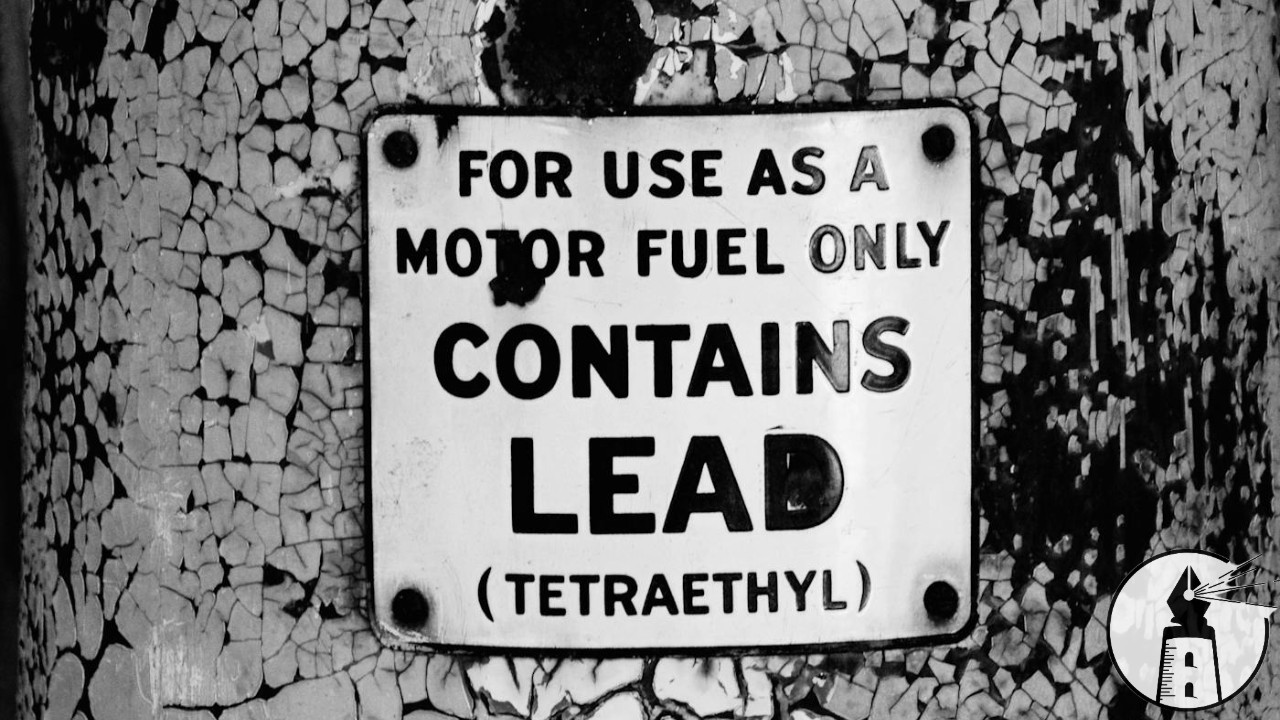
For many Americans, lead poisoning feels like a solved problem. It belongs to the past, alongside leaded gasoline and peeling paint in abandoned buildings. The narrative is comforting. We identified the danger, removed lead from consumer products, and moved on.
That story is incomplete.
Lead exposure never disappeared. It receded from middle-class visibility while remaining embedded in aging infrastructure, deteriorating housing, contaminated soil, and underregulated industrial sites. Today, millions of people are still exposed, often without knowing it. The damage is not abstract. It shows up in children’s brains, adult cardiovascular systems, pregnancy outcomes, and long-term cognitive health.
Lead poisoning is not a historical artifact. It is an ongoing public health failure.
A toxin with no safe level
The science on lead is unusually clear. There is no known safe level of lead in the human body, especially for children.
According to the Centers for Disease Control and Prevention, even low levels of lead in blood are associated with reduced IQ, learning difficulties, attention problems, and behavioral issues in children. Higher levels can cause seizures, coma, and death. In adults, lead exposure increases the risk of hypertension, kidney disease, reproductive problems, and cognitive decline.
Lead is a neurotoxin. It interferes with synapse formation, disrupts neurotransmitter systems, and damages the developing brain. Because children absorb lead more efficiently than adults and because their nervous systems are still forming, the same exposure that mildly affects an adult can permanently alter a child’s cognitive trajectory.
The CDC now emphasizes that any detectable lead in a child’s blood is a cause for concern. That shift reflects decades of research showing harm at levels once considered “acceptable.”
Infrastructure quietly delivers exposure
One of the most persistent sources of lead exposure in the United States is drinking water delivered through aging pipes.
Millions of homes still receive water through lead service lines installed decades ago. When corrosion control fails or water chemistry changes, lead can leach directly into household taps.
The crisis in Flint made this visible to the nation, but Flint was never unique. Investigations by environmental groups and journalists have found elevated lead levels in water systems across the country, particularly in older cities.
The Environmental Protection Agency estimates that roughly 9 million lead service lines remain in use nationwide.
Replacing them is slow, expensive, and unevenly funded. Meanwhile, families rely on filters, bottled water, or nothing at all, depending on awareness and resources.
Water is only part of the picture. Lead-based paint remains a major hazard in older housing, especially in low-income neighborhoods where maintenance is deferred and children are more likely to encounter peeling paint or contaminated dust.
Soil and legacy pollution still matter
Long after industrial sites shut down and leaded gasoline was banned, contaminated soil continues to expose communities.
Decades of vehicle emissions deposited lead into urban soil, particularly near highways and dense traffic corridors. Former smelters, battery plants, and manufacturing facilities left behind hotspots that still affect nearby residents.
The EPA has documented widespread soil contamination around former industrial areas, with children in these communities facing elevated risk of exposure through hand-to-mouth contact during play.
Unlike dramatic spills, soil contamination is quiet. It persists for generations unless actively remediated. In many cities, it intersects with redlining and housing segregation, meaning the same communities that suffered historical disinvestment now bear disproportionate toxic burdens.
The cognitive and behavioral consequences are lifelong
The most widely discussed impact of childhood lead exposure is reduced IQ. But that shorthand understates the scope of harm.
Long-term studies have linked early lead exposure to increased rates of attention deficit disorders, impulsivity, aggression, and academic difficulty. A landmark longitudinal study published in JAMA followed individuals exposed to lead in childhood and found lower cognitive function and socioeconomic status in adulthood, decades after the initial exposure.
Another study in The Lancet estimated that lead exposure contributes to hundreds of thousands of deaths globally each year through cardiovascular disease, underscoring that lead is not only a pediatric issue.
In extreme cases, high-dose exposure causes encephalopathy, characterized by swelling of the brain, seizures, severe confusion, and coma. Survivors may be left with permanent neurological impairment.
Adults exposed to elevated lead levels face increased risks of stroke, heart attack, kidney failure, infertility, and miscarriage. Pregnant people can transfer lead to the fetus, increasing the likelihood of low birth weight and developmental delays.
These are not rare outcomes in heavily exposed populations. They are documented medical consequences.
We already know how to prevent this
Lead poisoning is one of the most preventable environmental health problems. The tools are well established. Remove lead service lines, remediate contaminated soil, replace lead-based paint, enforce housing codes, and conduct regular blood lead screening in children.
What is missing is not knowledge. It is political will and sustained investment.
The CDC estimates that every dollar spent on lead paint hazard control returns between $17 and $221 in societal benefits through increased lifetime earnings, reduced healthcare costs, and lower rates of special education and crime.
From a purely economic standpoint, prevention pays for itself many times over. From a moral standpoint, allowing preventable brain damage to continue is indefensible.
Why the problem persists
Lead exposure persists because it is structurally invisible to people who are not affected.
It concentrates in older housing, underfunded school districts, rural water systems, and neighborhoods shaped by decades of environmental neglect. Families dealing with housing instability or financial stress often have limited ability to demand remediation. Testing is inconsistent. Enforcement is uneven.
There is also a tendency to treat lead as an emergency only when a crisis becomes public. Flint prompted outrage and congressional hearings. Similar conditions elsewhere rarely receive sustained attention.
Public health operates on budgets and priorities. Lead mitigation competes with many urgent needs, and because its effects unfold over years rather than days, it is easy for policymakers to defer action.
The hidden societal cost
The consequences of lead exposure extend far beyond individual families.
Population-level reductions in cognitive function translate into lower educational attainment, reduced productivity, and increased healthcare spending. Research has linked historical lead exposure to higher rates of violent crime decades later, suggesting that environmental toxins can shape social outcomes across generations.
A study in Proceedings of the National Academy of Sciences found strong associations between childhood lead exposure and later behavioral problems, reinforcing the idea that environmental policy is inseparable from public safety and economic stability.
When communities absorb these costs silently, the broader society pays later.
Lead exposure is a policy choice
It is tempting to describe lead poisoning as an unfortunate legacy issue. That framing avoids responsibility.
Every unreplaced pipe, every unremediated playground, and every neglected rental unit represents an active decision to tolerate harm. The science is settled. The solutions are known. What remains is implementation.
Other countries have moved more aggressively to eliminate lead hazards. The United States has the technical capacity to do the same. What it lacks is consistent prioritization.
The bottom line
Lead exposure never went away. It simply faded from public consciousness while continuing to damage bodies and brains in predictable places.
This is not a mystery disease or an emerging threat. It is a well-understood toxin with clear pathways of exposure and proven methods of prevention. Children are still losing IQ points to contaminated water. Adults are still developing heart disease linked to environmental lead. Pregnancies are still being compromised by a metal that should have been eliminated from daily life decades ago.
The persistence of lead poisoning is not a failure of science. It is a failure of infrastructure, regulation, and collective resolve.
If we want to talk seriously about public health, education, and opportunity, we cannot keep treating lead exposure as yesterday’s problem. It is happening now. And unlike many modern health crises, this one is entirely preventable.
—Greg Collier